



Gum Bleeding While Brushing: Reasons and When to See a Doctor?
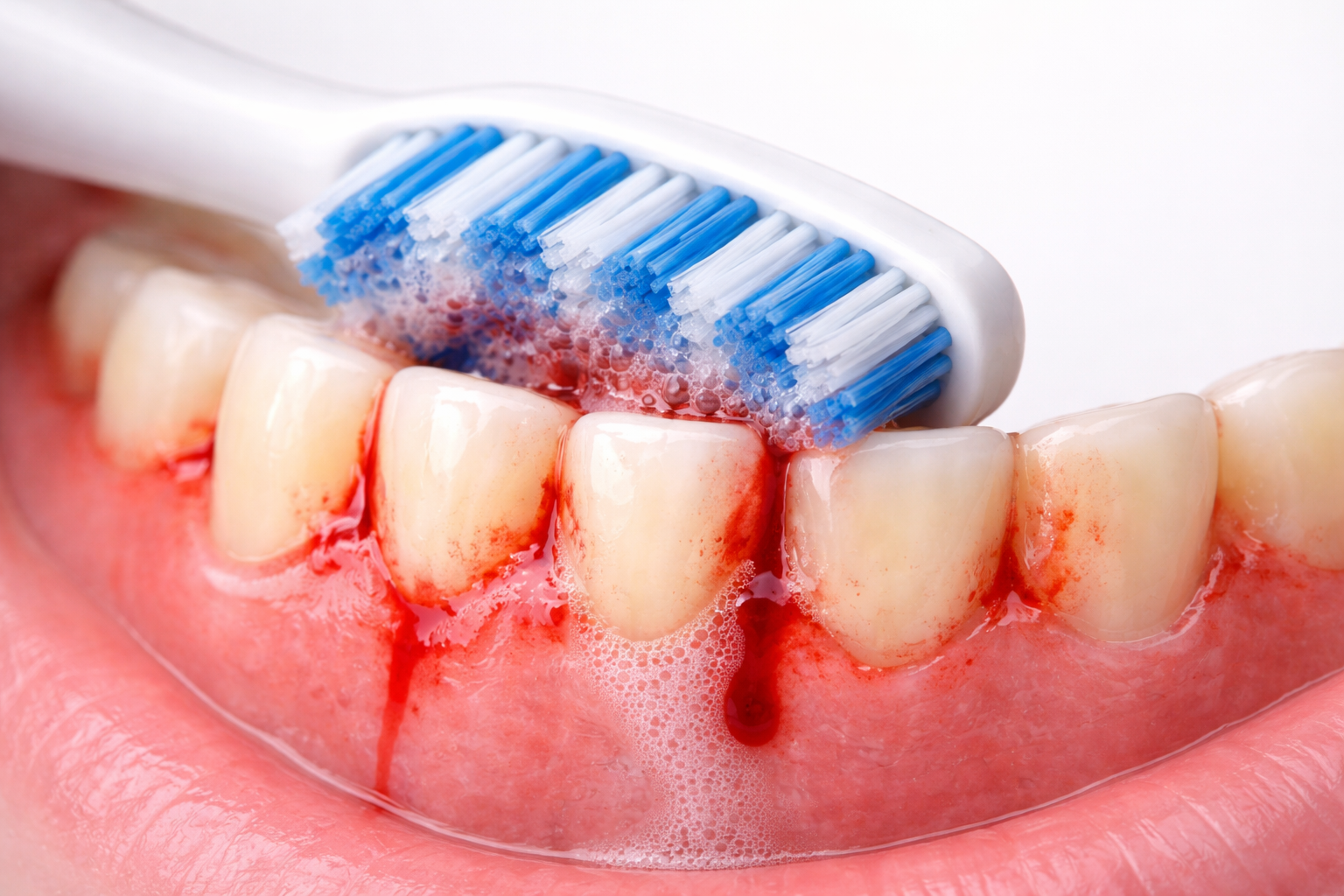
Seeing your gums bleed when brushing can be a little worrying, particularly if it is something that happens all the time. A lot of people don’t care about it because they think it’s normal, but bleeding gums actually mean that the gums need a little more care. It can be caused by brushing too hard, insufficient oral hygiene, accumulation of plaque or initial dental diseases like gingivitis. Occasionally, vitamin deficiencies or certain drugs may also lead to gum bleeding. Although occasional bleeding may be nothing to worry about, frequent or continuous bleeding should be investigated.
Is It Normal for Gums to Bleed While Brushing?
Gum bleeding while brushing can occur from time to time, but it’s not normal. For the most part, healthy gums do not bleed when brushing or flossing. If you have an occasional bleeding gum, it may be because you are brushing too hard, you have a hard toothbrush, or you have just begun flossing.
But if your gums bleed regularly, it could be a sign of gum inflammation or an early stage of gum disease such as gingivitis. When left untreated, this symptom can cause more severe dental problems in the future.
- Brushing too fast and hard or with a hard toothbrush
- Inadequate oral care resulting in plaque accumulation
- Starting flossing after a long time
- Inflammation of gums/early gum disease
- Vitamin deficiencies
- Hormonal changes or certain medications
Common Reasons for Gum Bleeding While Brushing
Poor Oral Hygiene
When teeth are not brushed and flossed, plaque starts to accumulate at the gum line. Plaque a is a sticky film of bacteria that over time irritates the gums. If left untreated, it can inflame the gums and cause them to become swollen and soft. This irritation often leads to bleeding when you brush or floss. A good oral hygiene routine prevents the accumulation of plaque and keeps the gums healthy.
Gingivitis (Early Gum Disease)
Gingivitis is a mild form of gum disease and it is a common reason for gum bleeding. It forms as a result of the plaque build-up around the teeth and gums which becomes inflamed. People with gingivitis may have redness, swelling, bleeding gums, and gums that are tender while they brush. The upside of gingivitis is that it is curable if detected early with good dental care and positive oral health habits.
Brushing Too Hard
A lot of people believe that brushing harder will clean their teeth better but that’s not the case. Applying too much pressure on your teeth while brushing can harm your gums as well, and you may end up bleeding from them. Hard bristle toothbrush can also traumatize the gums. To take care of your teeth and gums, dentists usually suggest you use a soft-bristled toothbrush and gently brush in circular motions rather than scrubbing.
Plaque and Tartar Buildup
If you don’t remove plaque with daily brushing and flossing, it combines and becomes tartar. Tartar cannot be removed by brushing alone and must be professionally cleaned from the teeth. When tartar builds up along the gums, it can irritate the gums and cause them to become inflamed. This irritation is what contributes to bleeding gums, particularly when you are brushing or flossing
Improper Flossing Technique.
Flossing is necessary to clean out food particles and plaque that accumulate in between teeth, but flawed technique can also do harm to your gums. If the floss is too aggressively snapped between teeth, it may damage or irritate the gums resulting in it bleeding.
Knowing how to floss properly and flossing gently can also protect your gums from harm.
Symptoms of Gum Bleeding
| Symptom | Description |
| Bleeding While Brushing or Flossing | Gums bleed easily when brushing teeth or using dental floss. |
| Red or Swollen Gums | Healthy gums are usually pink. Red, puffy, or swollen gums may indicate irritation or inflammation. |
| Gum Tenderness | Gums may feel sore, sensitive, or painful when touched or while eating. |
| Persistent Bad Breath | Continuous bad breath can occur due to bacteria buildup in the gums. |
| Sensitive Teeth | Teeth may become sensitive to hot, cold, or sweet foods because of gum problems. |
| Receding Gums | Gums may start pulling away from the teeth, making teeth look longer than usual. |
| Loose Teeth | In advanced gum issues, teeth may feel slightly loose due to weakening gum support. |
Treatments for Gum Bleeding in Boss Dental
- Dental Cleaning – The dentist will remove the gingivitis, tartar and plaque from the gum line and polish your teeth to stop your gums from bleeding and prevent further irritation.
- Scaling and Root Planing – A treatment for gum disease that cleans the roots of the teeth by removing bacteria and solidified tartar from beneath the gum line.
- Gum Disease Treatment – Dentists are trained to treat infection and enhance gum health if bleeding gum is a result of gingivitis or a mild form of gum disease.
- Routine Dental Check-ups Subsequent visits will offer you the opportunity to keep an eye on your gum health, and prevent any further issues with your teeth.
Conclusion
So, gum bleeding while brushing is not something to be brushed off, especially if it’s a regular occurrence. Fact is, it can also be an early sign of gum disease such as gingivitis, although it sometimes happens because someone is brushing too hard or they have just started flossing. Good oral hygiene, soft-bristled toothbrushes and a well-nutritious diet can all contribute to healthy gums. However, if the bleeding persists or is accompanied by swelling, pain, or bad breath, it is necessary to see a dentist. Early attention and treatment can prevent an emergency from occurring, and also help you maintain overall oral health for years to come.
FAQ’s
Why Do My Gums Bleed When I Brush My Teeth?
Gums may bleed while brushing due to plaque buildup, poor oral hygiene, brushing too hard, or early gum disease. In some cases, certain medications or vitamin deficiencies may also contribute to bleeding gums.
Is it Normal For My Gums To Bleed When I Brush?
Mild bleeding from time to time can result from brushing too hard or from flossing when you haven’t done for a long time. On the other hand, chronic bleeding is not normal and may suggest a gum disease that needs care.
Brushing Too Hard Can Cause Gum Bleeding?
Yes. Brushing too hard or using a hard bristle toothbrush can irritate and harm the gums, which may cause bleeding. A soft toothbrush, along with a gentle toothbrushing method, can prevent this.
Can Flossing Cause Bleeding Of Gums?
Yes, gums may bleed when you first start flossing, particularly if you have a build-up of plaque between your teeth. As a rule, the bleeding subsides as your gums get healthier with routine flossing.
Is Gum Health Affected By Smoking?
Yes. Smoking impairs the immune system and causes gums to infection. It can injure the tissues of the gums and exacerbate problems with oral health.
Leave a Reply